สถาบันอนุญาโตตุลาการ สำนักงานศาลยุติธรรม | Thai Arbitration Institute (TAI)

What does the future of arbitration in ASEAN look like? How can the region remain globally competitive while respecting its legal diversity?
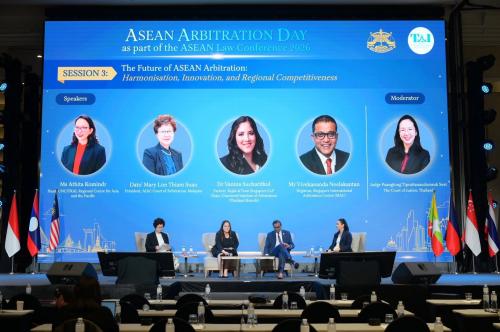
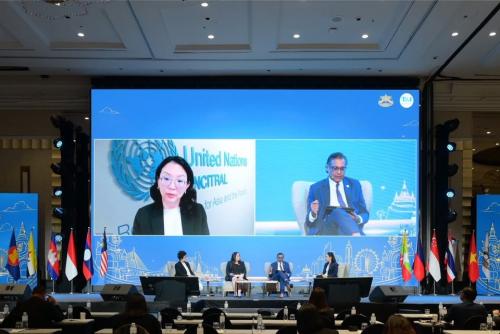
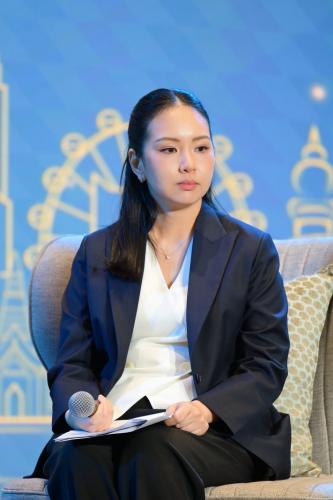
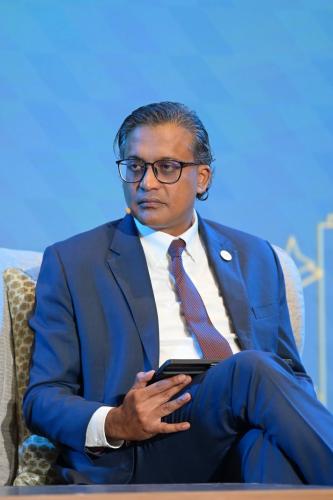
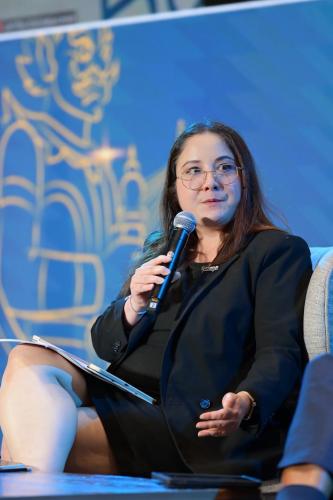
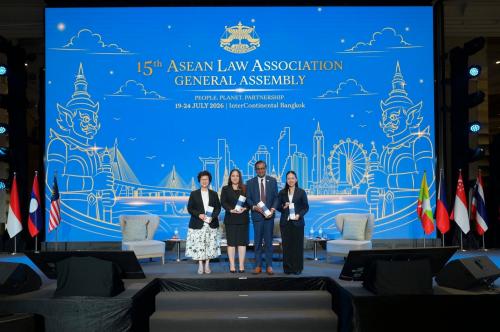
The third panel session was moderated by Ms Puangtong Tiprattanudomsuk Seet, Judge of the Court of Justice of Thailand, and brought together insights from leading regional experts:
 Ms Athita Komindr, Head of the UNCITRAL Regional Centre for Asia and the Pacific
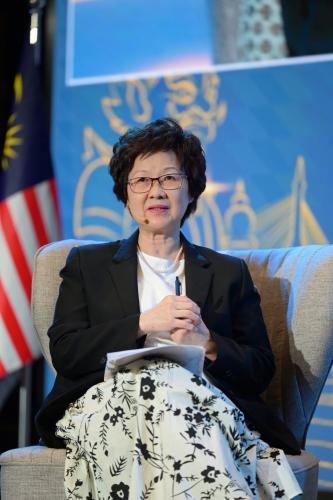
Dato' Mary Lim Thiam Suan, President of the AIAC Court of Arbitration, Malaysia
Dr Vanina Sucharitkul, Partner at Rajah & Tann Singapore LLP and Chair of the Chartered Institute of Arbitrators (Thailand Branch)
Mr Vivekananda Neelakantan, Registrar of the Singapore International Arbitration Centre.
Together, the panel examined how ASEAN’s arbitration landscape can evolve through three interconnected pillars:
- Principled Convergence: ASEAN’s strength lies in its diversity. Convergence should not mean identical laws, but rather alignment on shared standards such as limited court intervention, predictable enforcement, and strong judicial support.
- Responsible Innovation: Digital tools, AI, and virtual hearings are already reshaping arbitration. The challenge lies in adopting technology responsibly, ensuring that due process, cybersecurity, confidentiality, and fairness remain safeguarded.
- Institutional Development: Arbitral institutions must continue to innovate while preserving integrity. Expedited procedures, emergency arbitration, and transparent operations are essential to building credibility and reinforcing ASEAN’s reputation as a trusted global hub.
Ultimately, ASEAN’s competitiveness will depend not on uniformity, but on fostering a resilient, user‑focused ecosystem that embraces diversity while upholding international standards of fairness and excellence.
#ASEANArbitrationDay2026 #ASEANArbitration #InternationalArbitration #DisputeResolution #LegalInnovation #LegalTech #ASEAN #UNCITRAL #SIAC #AIAC #CIArb #FutureOfArbitration
 Image
Image